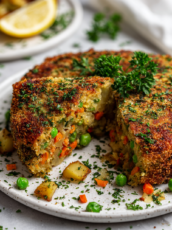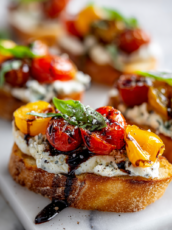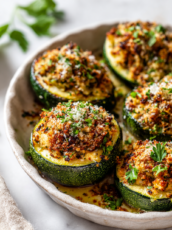
Sometimes, I think the beauty of a good vegetable bake is how it turns humble ingredients into something almost magical. The oven’s heat transforms raw, everyday produce into caramelized bites that smell like late summer mornings and cozy dinners all at once.
I love that sheet pan ratatouille is a one-pan affair. It’s about getting vegetables to sing without fussing over multiple pots or complicated techniques. Plus, it’s perfect for those nights when you want something nourishing but don’t want to be tied up in the kitchen.
Cooking with a purpose: using sheet pan techniques to maximize flavor while minimizing fuss.
Why this dish matters to me
- I love how the smell of roasting vegetables fills the house.
- There’s something so satisfying about turning raw produce into a caramelized masterpiece.
- I’ve made this dish so many times, I’ve lost count—each time it feels like a little celebration.
- It’s a go-to for me when I want a healthy, comforting dinner with minimal fuss.
A personal story behind the dish
- I was inspired by a busy weekend when I needed something quick, nourishing, and beautiful. I threw together whatever vegetables I had, roasted them, and realized how much flavor can develop in a simple bake.
- It’s become a favorite because it’s forgiving—swap in any seasonal veg, and it still works. The magic is in the roasting and the balance of herbs.
- This dish reminds me that simplicity often yields the most soul-warming flavors, especially when you let the oven do the work.
Ratatouille: A Provençal staple with a roasting twist
- Ratatouille hails from Provence, where farmers used what was fresh and abundant.
- The name ‘ratatouille’ comes from the French word ‘touiller,’ meaning ‘to stir up,’ reflecting its rustic roots.
- Roasting vegetables together enhances their flavors and creates a natural sweetness that’s hard to achieve otherwise.
- This method is a modern, simplified take on traditional stews, adapted for quick, oven-based cooking.
Ingredient insights and tweaks
- Eggplant: absorbs oil like a sponge, so toss it well—look for a shiny, tender flesh.
- Zucchini: releases water as it roasts, so slice evenly to avoid sogginess.
- Bell peppers: char and sweeten, especially if you leave some skin on—adds smoky depth.
- Tomatoes: burst with juiciness, best added later or roasted whole for maximum flavor.
- Herbs: fresh herbs provide a bright contrast—add at the end to keep their vibrancy.
Spotlight on Eggplant and Bell Peppers
Eggplant:
- Its spongy texture soaks up flavors and becomes tender, with a slight smoky aroma.
- Eggplant’s skin crisps up nicely if sliced evenly and roasted at high heat.
Bell peppers:
- Their sweetness intensifies during roasting, skin blisters and chars for smoky flavor.
- Look for firm, brightly colored peppers for the best flavor and texture.
Substitution tips for a flexible dish
- Dairy-Free: Swap butter for olive oil—keeps it vegan and adds a fruity note.
- Gluten-Free: This recipe is naturally gluten-free but ensure your herbs and oils are gluten-free.
- Herb Variations: Use fresh thyme, oregano, or rosemary based on your preference.
- Vegetarian/Vegan: No meat needed, just vegetables and herbs.
- Add a splash of balsamic vinegar or lemon juice for acidity—brightens up the dish.
Equipment & Tools
- Large rimmed baking sheet: To hold all vegetables in one layer for even roasting
- Sharp knife and cutting board: To slice vegetables uniformly
- Mixing bowl: To toss vegetables with oil and herbs
- Parchment paper or silicone baking mat: To prevent sticking and easy cleanup
Step-by-step to a perfect sheet pan ratatouille
- Preheat your oven to 200°C (392°F). Line a large baking sheet with parchment paper or lightly oil it.
- Slice the eggplant, zucchini, bell peppers, and tomatoes into uniform 3-4 mm thick slices. Aim for evenness for consistent roasting.
- Toss all the vegetables with about 2-3 tablespoons olive oil, 1 teaspoon salt, black pepper, and a tablespoon of chopped herbs like thyme or oregano.
- Arrange the vegetables on the baking sheet in a single layer, overlapping slightly but not crowded.
- Roast for 25-30 minutes. Check at 20 minutes: the edges should be golden and slightly crispy.
- a. If edges are burnt or vegetables are soft and mushy, adjust the time or temperature slightly.
- b. If vegetables are undercooked or still raw, give them a few more minutes.
- c. Smell for a fragrant aroma of caramelized vegetables—if it’s faint, roast a bit longer.
Let the dish rest for 5 minutes after removing from the oven. Garnish with fresh herbs and a squeeze of lemon before serving.
How to Know It’s Done
- Edges are deeply caramelized and slightly charred.
- Vegetables are tender but still hold their shape.
- A fragrant, roasted aroma fills the kitchen.
Sheet Pan Ratatouille
Ingredients
Equipment
Method
- Preheat your oven to 200°C (392°F). Line the baking sheet with parchment paper or a silicone mat for easy cleanup.
- Slice the eggplant, zucchini, and tomatoes into thin, even pieces, about 3-4 mm thick. Cut the bell peppers into strips or rings, removing seeds.
- In a mixing bowl, toss all the sliced vegetables with olive oil, salt, black pepper, and chopped herbs until evenly coated. The mixture should glisten with the oil and have visible herbs for flavor.
- Arrange the vegetables on the prepared baking sheet in a single, overlapping layer, but avoid crowding for even roasting. Feel free to layer them slightly, but maintain some space between pieces.
- Place the baking sheet in the oven and roast for 25 to 30 minutes. The vegetables will start to turn golden around the edges and become tender, filling your kitchen with a sweet roasted aroma.
- Check the vegetables around the 20-minute mark; if the edges are deeply caramelized and slightly crispy, they’re ready. If they need more color or softness, continue roasting until perfect.
- Remove the sheet from the oven and let the ratatouille rest for about 5 minutes. This helps the flavors settle and makes it easier to serve.
- Garnish with a few extra fresh herbs and a squeeze of lemon for brightness. Serve warm as a rustic main or side dish, enjoying the tender, caramelized vegetables.
Tips and tricks for perfect sheet pan ratatouille
- Use a hot oven to get that caramelized edge—don’t be shy with the heat.
- Arrange vegetables in a single layer to promote even roasting.
- Flip or toss vegetables halfway through to prevent burning and promote uniform color.
- Add herbs or garlic in the last 5 minutes to keep their fresh aroma.
- Use a fan-assisted oven if possible for even heat distribution.
- Let the dish rest for 5 minutes after roasting to settle flavors.
Common pitfalls and how to fix them
- FORGOT to preheat the oven? Warm it up first, then start roasting to avoid soggy veggies.
- DUMPED too much oil? Use a paper towel to blot and reduce excess fat.
- OVER-TORCHED edges? Cover with foil and lower the oven temperature slightly.
- MISSED the herbs? Sprinkle fresh herbs right before serving for maximum flavor.
Fast fixes for common roasting mishaps
- If veggies stick, splash a little water or broth to loosen and steam them off.
- When vegetables are unevenly cooked, rotate the pan or switch racks.
- Patch undercooked spots with a quick blast of high heat for a few minutes.
- Shield burnt edges with foil and continue roasting.
- Use a splash of vinegar or lemon juice if flavors need brightening.
Make-ahead tips and storage secrets
- Chop and slice the vegetables a day ahead. Keep refrigerated in an airtight container for up to 24 hours.
- Roast can be made 1-2 days in advance. Cool completely, then store in an airtight container.
- Reheat in the oven at 180°C (356°F) until bubbling and fragrant, about 10 minutes.
- The flavors deepen overnight, making it even more savory and well-rounded.
10 Practical Q&As About Sheet Pan Ratatouille
1. What size pan is best for this recipe?
Use a large rimmed baking sheet, around 30×40 cm (12×16 inches), to give everything space to roast evenly.
2. How thick should I slice the vegetables?
Slice the vegetables thin but not paper-thin, about 3-4 mm thick, so they cook evenly and hold some bite.
3. Do I need to marinate the vegetables beforehand?
Toss the veggies with olive oil, salt, pepper, and herbs before roasting, ensuring each piece is well coated.
4. How do I know when it’s done?
Roast at 200°C (392°F) for about 25-30 minutes, until the edges are caramelized and fragrant.
5. Can I make this ahead?
Serve hot straight from the oven, garnished with fresh basil or parsley for a bright finish.
6. How should I reheat it?
Yes, it keeps well in the fridge for 2-3 days. Reheat in the oven until bubbling and fragrant.
7. Will reheating ruin the texture?
Use a spatula to gently toss the vegetables during reheating to restore some of the roasted texture.
8. Can I customize the herbs?
Add a squeeze of lemon or a drizzle of balsamic vinegar before serving for a fresh, tangy note.
9. What if I don’t have all the vegetables?
Absolutely, try thyme, oregano, or even a pinch of smoked paprika for different flavor profiles.
10. Is there a substitute for eggplant?
Use whatever you have—zucchini, eggplant, bell peppers, tomatoes—and just keep the roasting time in mind.
This dish is especially comforting when the seasons shift and you’re craving something homey yet fresh. It’s a reminder that simple ingredients, roasted just right, can carry so much flavor and warmth.
Plus, it’s flexible. You can toss in whatever vegetables are lurking in your fridge, and it still turns out delicious. A perfect way to make dinner feel a little less routine, and a little more like an act of care.

Hi, I’m Michael Anderson, the voice behind Overreacting To Salt. Yes, the name usually gets a laugh. And no, I am not actually afraid of salt. In fact, understanding salt and flavor balance is what inspired this entire blog.
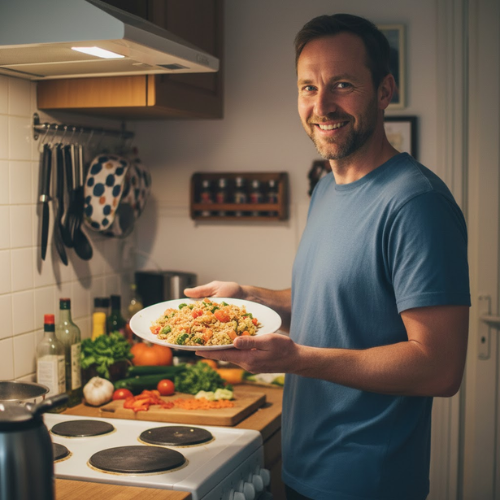 The voice behind Overreacting To Salt. Yes, the name usually gets a laugh. And no, I am not actually afraid of salt. In fact, understanding salt and flavor balance is what inspired this entire blog.
Overreacting To Salt is my space to talk honestly about cooking mistakes, kitchen wins, and the small details that make a big difference in flavor. I created it for home cooks who want to understand food better without feeling intimidated.
The voice behind Overreacting To Salt. Yes, the name usually gets a laugh. And no, I am not actually afraid of salt. In fact, understanding salt and flavor balance is what inspired this entire blog.
Overreacting To Salt is my space to talk honestly about cooking mistakes, kitchen wins, and the small details that make a big difference in flavor. I created it for home cooks who want to understand food better without feeling intimidated.